Across 60,000+ websites we track daily analytics for, ChatGPT sends 8-9x the referral traffic of the next leading AI-first platform, Perplexity.
Just last month, OpenAI CEO Sam Altman revealed that more than 800 million people use the platform each week.
But what does it take to get mentioned and cited in its responses?
Our latest research into top-of-the-funnel queries shows that recently updated “best X” lists were the most prominent page type in ChatGPT sources, including those where recommended brands ranked themselves in first place.
There was also a correlation between a brand positioning highly in third-party lists and being more likely to feature in responses.
Does that conclusively mean you should be publishing these lists yourself? Before I share the approach we’re taking, let’s look at the data in full.
Links may appear inline with recommendations, or as source links, which were used for research but require an additional click to view.
Each first-party mention was manually categorized.
For third-party mentions, totaling 10,000+ individual URLs, we used a semi-automated approach.
We set up dozens of manual filters to improve accuracy. For example, the learn.g2.com subdomain hosts content types very different from standard G2 category pages.
For the remaining URLs, we categorized them with OpenAI’s GPT-5 model with custom instructions.
Finally, we spent time going over each group of URLs and improved tagging where necessary, though we were happy with 95% of what we originally saw.
In some categories there’s a clear shift in which page type featured prominently. Landing pages are commonly cited when looking for the best software or agency, but rarely show up when researching products.
General blog posts on product websites performed far better than in the software and agency recommendations space.
We’re still studying this, so I hesitate to give a definitive conclusion, but even if AI were not a thing, you would logically want to feature higher on a list of recommended software, products or service providers in your industry.
My own research found that many questionable sites perform well in Bing but not as well in Google.
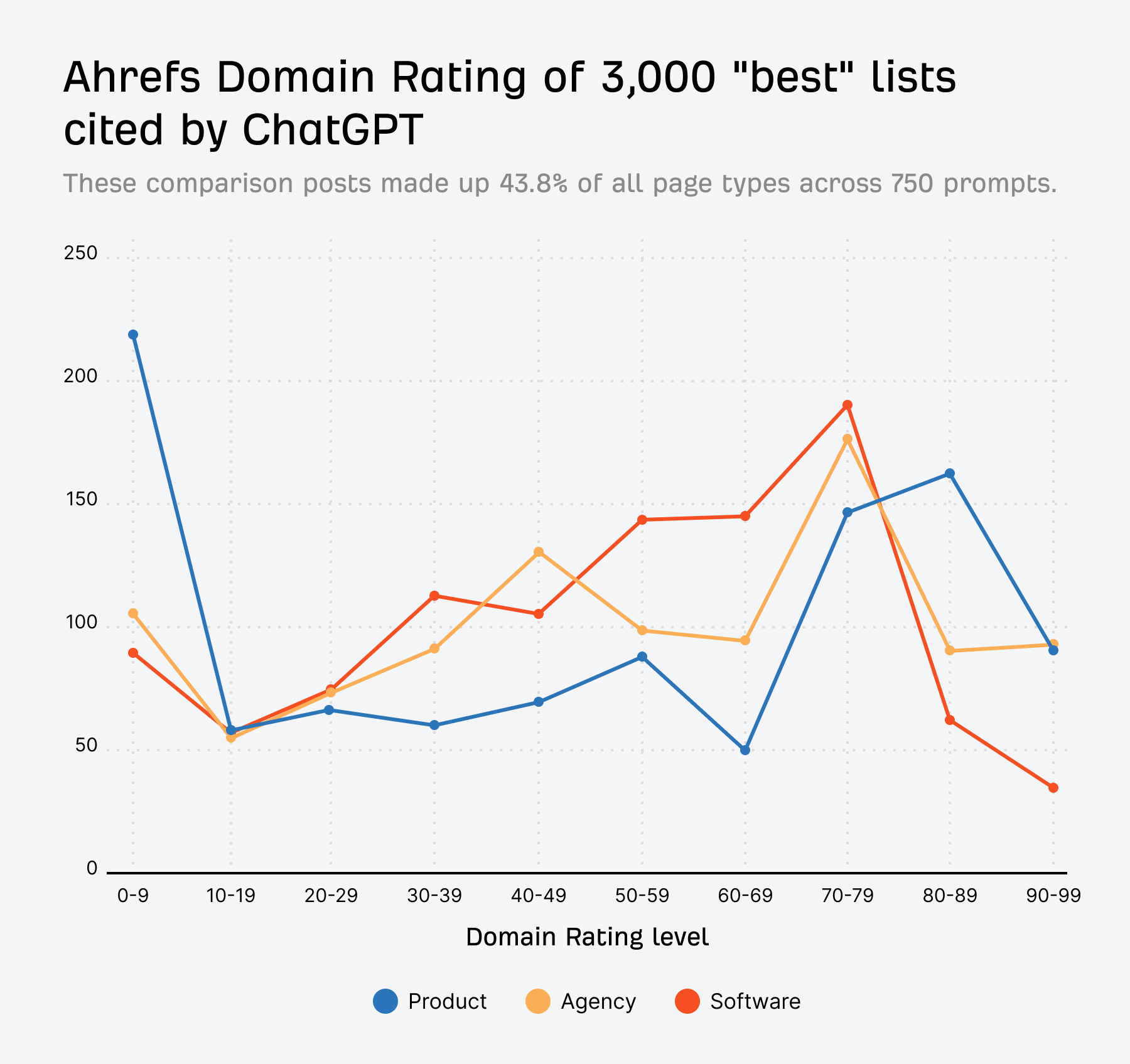
While Ahrefs Domain Rating isn’t a perfect indicator of site quality, if I take 1,000 cited best lists across each category (3,000 in total), I found that a significant portion were published on domains with low authority.
In simple terms, they have fewer high-quality sites linking to their own.
As Glenn Gabe covered in his excellent article, Google’s own AI answers should have fewer issues promoting legitimate sites, but other AI search platforms will likely need to develop stronger trust and quality scoring going forward.
I expect we’ll see the left side of this chart decline over time.
Across 250 “best X software”-style SERPs, 169 (67.6%) featured a list in which the company writing the article ranks itself number one.
Perform any type of “best [seo / web design / branding] agency” search in Google and there’s a strong chance you’ll see a self-promotional list ranking well.
In the products category, it was rare for a company’s own blog list to appear, simply because lots of product companies don’t publish them.
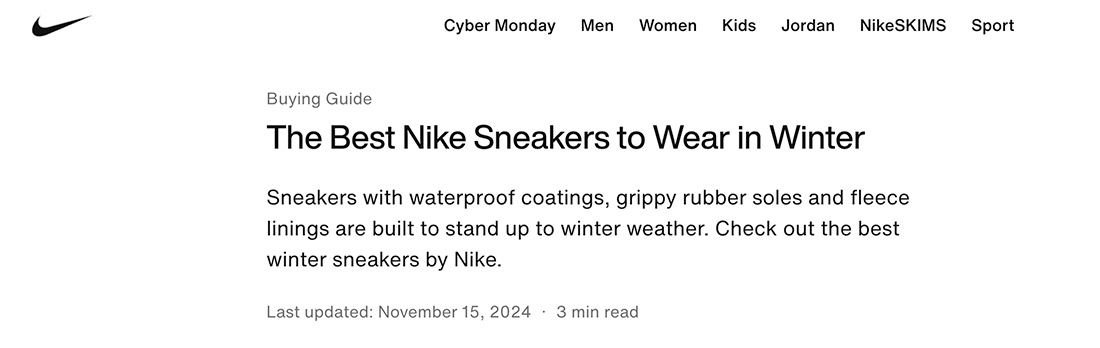
You won’t see a page on Nike.com recommending Reebok, but they will publish an article on “The Best Winter Sneakers” and promote Nike’s own shoes throughout.
There isn’t anything new about creating pages to cover the markets you serve and the features you offer, but you might want to make sure those pages are valuable and up to date.
Siege Media founder Ross Hudgens agrees these signals are important, but argues you can position your own brand first and still provide value.
Agency owner Wil Reynolds, whom I’ve respected for years, had another opinion:
Any marketer worth a damn knows listing yourself at the top of a list hosted on your site doesn’t build trust with buyers.
It wasn’t a common occurrence, but I did find examples of companies featuring lower down their own lists.
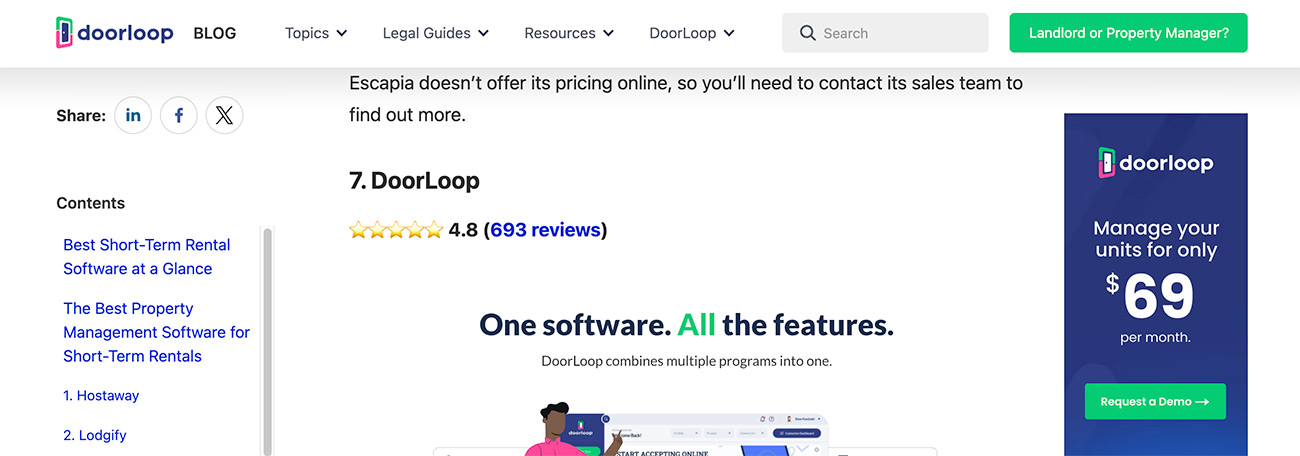
DoorLoop placed itself 7th on this list of rental management software providers
While it’s admirable as someone with no connection to the business, there’s also the argument that they’re just helping competitors with their own marketing.
You’ll have to decide which approach makes sense for your business, but let me at least share our current take.
At Ahrefs, our thinking is simple: We may publish more comparison posts as we roll out new features or enter new markets, but they’ll continue to make up less than half a percent of our total blog content.
We’re not going to create them for every tool or potential use case.
We won’t always put ourselves in the top spot, as is already the case.
We’ll continue to make it clear that we are the Ahrefs being recommended.
(Almost every company promoting itself does so in the third person, as if they’re subtly trying to overlook that they’re writing about their own business.)
And we’ll keep linking directly to alternative solutions so visitors can research them on their own.
One change we are making thanks to this research is to celebrate more of our wins.
There were many cases where brands were mentioned alongside positive company updates, as shown below for Monday.com.

In another case, when gym management software Kilo was mentioned, it was alongside their announcement of earning an award from Capterra.
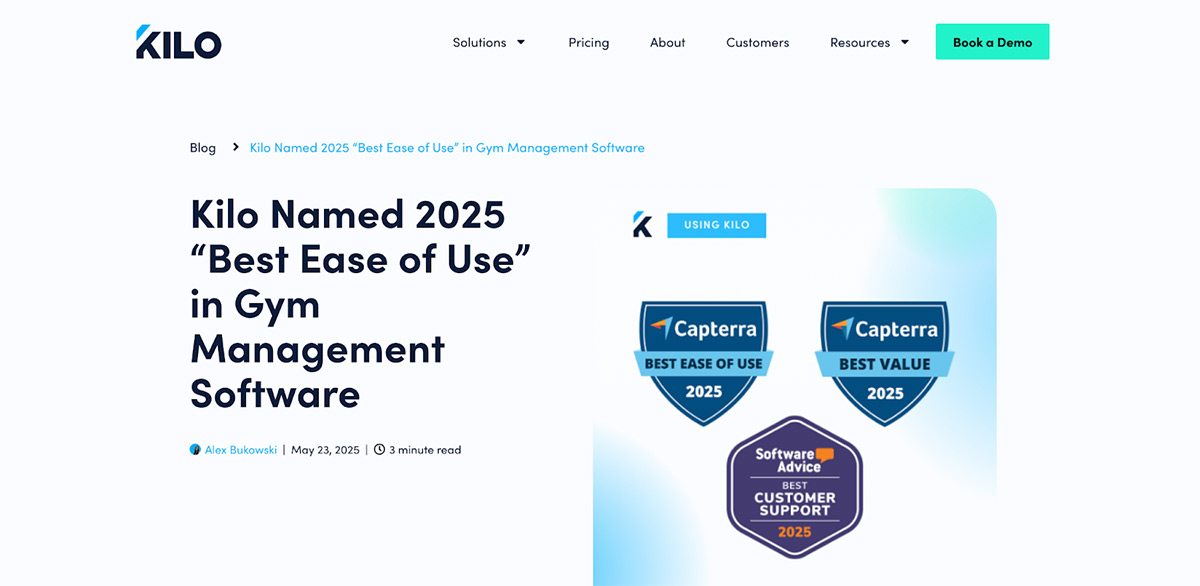
We could do a much better job there, with the potential added benefit of giving LLMs enticing commentary to use with any mentions.
Our primary focus will continue to be on things that have naturally gotten us mentioned on the lists of others, like constantly updating our product with new features, sharing original data and research, and being active where our audience is.
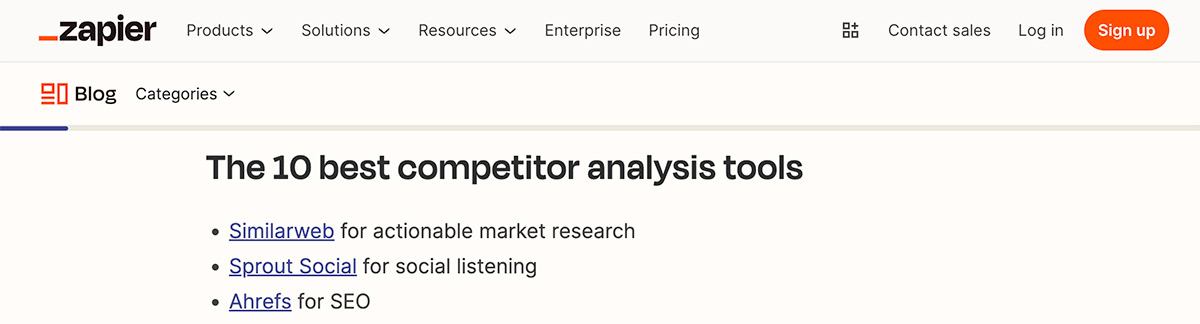
Mentions from brands like Zapier are always nice to see
As we’ve done when we spent $400,000 running an event, $1M+ sponsoring creators, or revealing how we decide the business potential of new blog posts, we’ll keep you in the loop about how our approach to AI search visibility evolves.
Stay tuned for some behind-the-scenes updates I’m working on there.
If you have any thoughts on how I could improve the next iteration of this study or anything else you would like me to dive into, please let me know over on LinkedIn or X.
Similar Posts
I Asked 20+ Marketers for the Best Marketing Newsletters. Here’s 10 They Recommended
There are hundreds of marketing newsletters competing for your attention. Maybe thousands. So I did something different: I asked the speakers and panelists at Ahrefs Evolve, our conference in San Diego from October 13-15, which newsletters they actually read and recommend. The result? A curated list of newsletters that span SEO, media, tech, leadership, and…
AI Content Creation: My Process for High-Quality, SEO-Friendly Articles
AI can write, but let’s be honest; it can also sound (dare I say) robotic. Without a clear process, AI-generated content can feel generic, miss SEO opportunities, or just not sound like you. The trick? Use AI as a tool, not a shortcut. This AI content creation process helps you: Get AI to generate usable content…
Google’s Free SEO Tools, Explained
Google provides a solid set of free SEO tools. From simple keyword research to performance tracking, you can stitch together a full workflow without spending a dime. Every SEO—whether beginner or expert—uses Google’s free tools in some capacity. They’re widely accessible, they offer a glimpse into how Google’s search and advertising systems work, and they’re often…
The Ultimate 82-Point Checklist for SEO & AI Visibility
Get the week’s best marketing content You don’t need another debate about whether optimizing for AI counts as SEO. You need to know what to actually do. This checklist combines proven SEO essentials with the new steps that matter for AI search. No fluff, no fuss. It will help you strengthen your SEO foundation, adapt to…
What is Domain Privacy Protection & Do I Need It? A Guide to Protecting Information
In this article, we explore what domain privacy protection is and why it matters. You’re busy securing your domain. It’s the name you’ve always wanted, so you’re super excited. Then, you notice the option to add domain privacy protection. Wait… say what, now? Domain privacy protection? Well, domain privacy protection is just what it says…
10x Traffic by going global with SEO: The Medicai + Ahrefs Success story
Medicai used Ahrefs to accelerate their organic traffic against their competitors using a combination of programmatic and content-based strategies. Get an account for Ahrefs. Everyday once you wake up, open it and check it while you drink your morning coffee. Look into the keywords you rank for, and then what your competition ranks for. Then…